

Nancy Grace Roman Space Telescope Rocket Launch: Here's Where We're Watching From
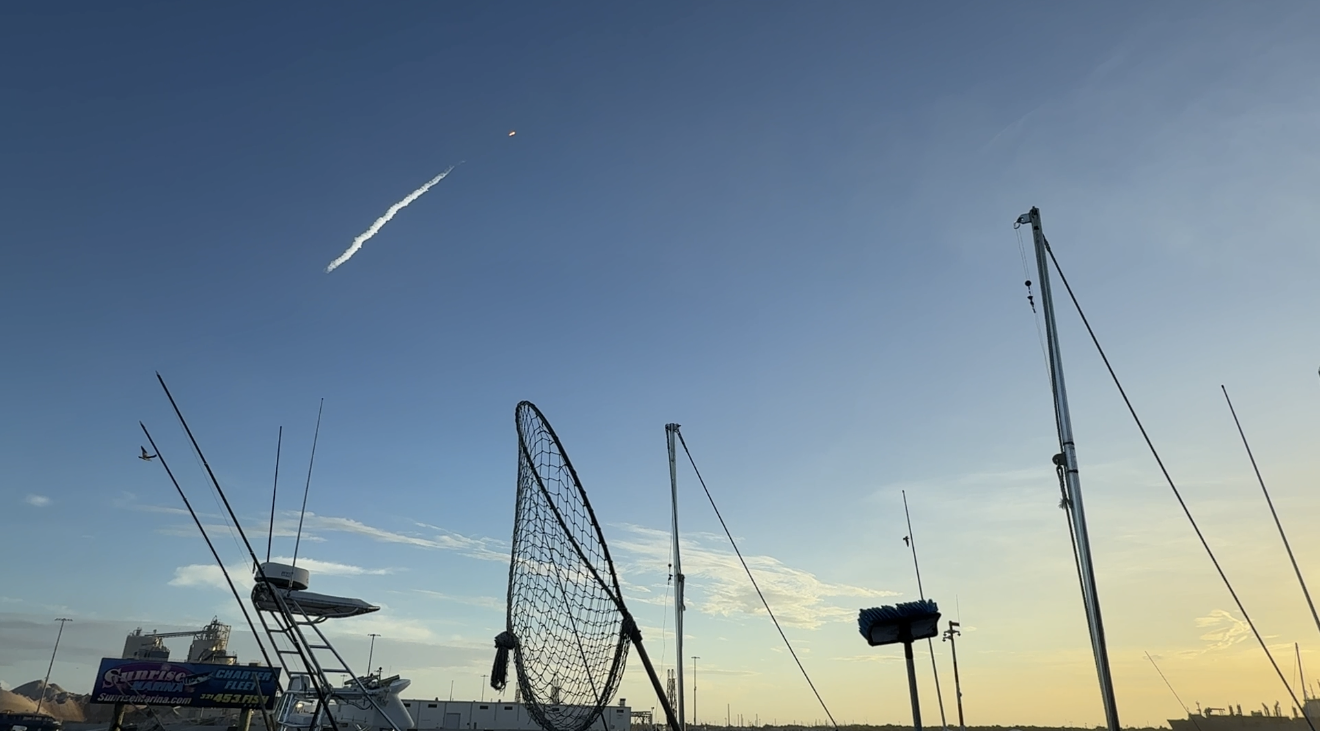

Note: I updated this post to include these shots we took of the Nancy Grace Roman Space Telescope Launch at 7:26am on Sunday, August 30, 2026 after we got home from watching the launch in Port Canaveral, Florida.
Okay, quick one tonight because this can't wait until morning.
Sunday —August 30, 2026 NASA's Roman Space Telescope is set to launch on a Falcon Heavy. It was actually supposed to go up today and got scrubbed, so now it's locked in for tomorrow morning instead.
According to NASA, here's the updated launch schedule at the time of this blog post: Sunday, August 30 at 7:26 AM EDT, from Kennedy Space Center's Pad 39A, with a 60% chance of favorable weather.
If it slips again, the backup window is Monday, August 31 at 7:22 AM EDT, per Space.com's mission timeline.
Jeremy and I already know exactly where we're going: Grills in Port Canaveral.
Grills Seafood Deck & Tiki Bar —
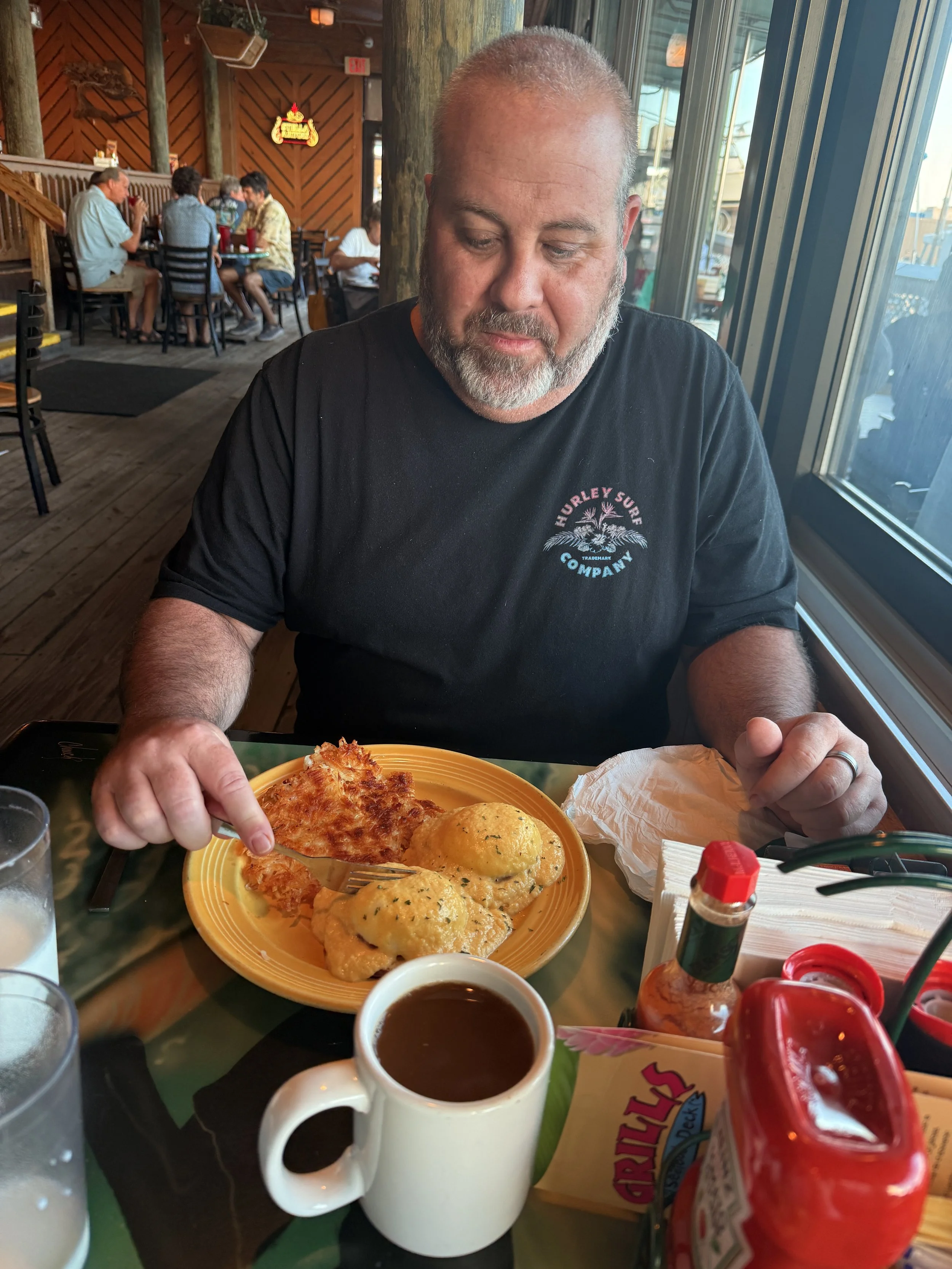
We're getting there for breakfast (they open at 7am daily) and just watching the launch from our table. That's the whole plan. No lines, no tickets, no special spot to fight for. Order breakfast, watch a rocket go up over the water, done.
If you're not going to make it to the Port for it, don't stress because you don't need to be at Grills specifically to see this. If you're staying anywhere in Cape Canaveral or Cocoa Beach, just walk out to whichever beach entrance is closest to your hotel and look up. You'll see it just fine from the sand.
One real piece of advice: don't be late. When these launches go, they go right on the nose of the time they announced which means there's no "give it a few extra minutes" grace period. If they say 7:26, be outside by 7:15 at the absolute latest.
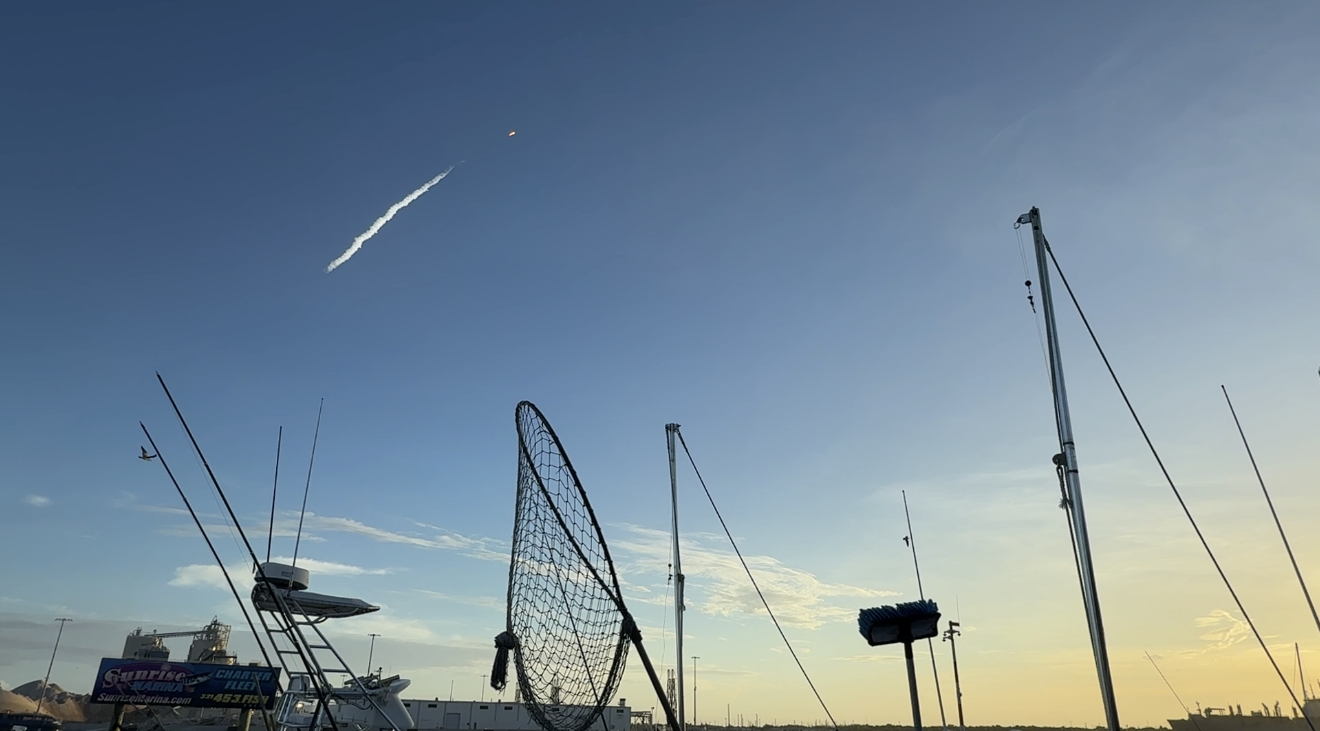
7:26AM Aug 30, 2026 - Nancy Grace Roman Space Telescope Launch at Port Canaveral, Florida


What makes this launch actually special
This isn't just another rocket. NASA is putting up the Nancy Grace Roman Space Telescope think of it as Hubble's much wider-eyed sibling. Per NASA's own mission page, Roman has a field of view at least 100 times larger than Hubble's while keeping similar sharpness, which lets it survey the sky up to 1,000 times faster.
Translation: instead of taking one gorgeous close-up at a time, Roman can capture huge swaths of sky in a single shot without losing detail. Scientists expect it to help map how the universe has expanded over billions of years and, through a technique called microlensing, to turn up something like 2,500 new planets outside our solar system, including small rocky ones.
So yes, somewhere in that haul of a few thousand new worlds, the odds of "something interesting" go up. We're not saying it's aliens. But we're also not not saying that a telescope finding thousands of new planets is exactly how every good alien movie starts. Believe what you want but either way, you're watching the machine that goes looking, launch right from the coast in your backyard.


That's it. That's the whole post. Set an alarm, grab coffee, and go watch something leave the planet before your cruise even starts.
Want more of these local, easy-to-actually-do moments before your cruise? Grab our free Port Canaveral Cheat Sheet at the bottom of this page.
Take it easy,
Ashley & Jeremy
P.S. Questions on how to have a killer time on land pre and post cruise? Ask The Locals
